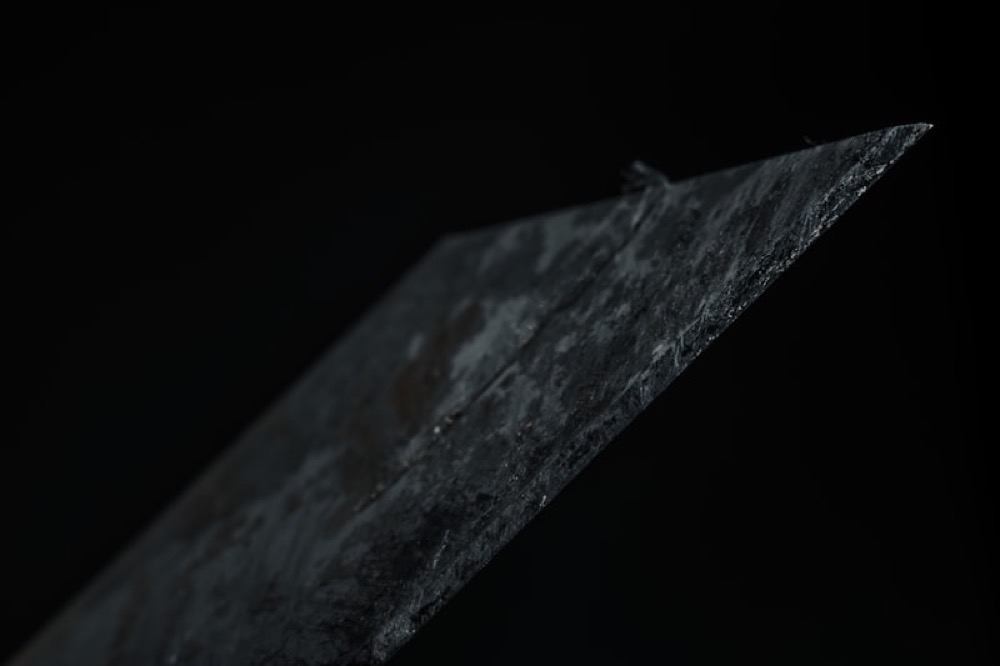
I. The forge
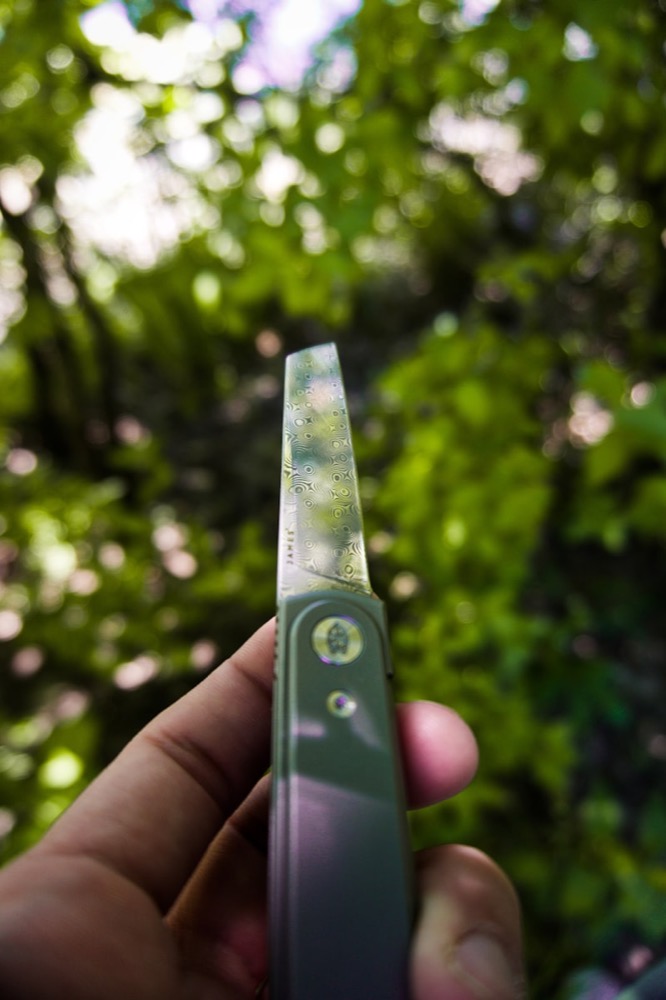
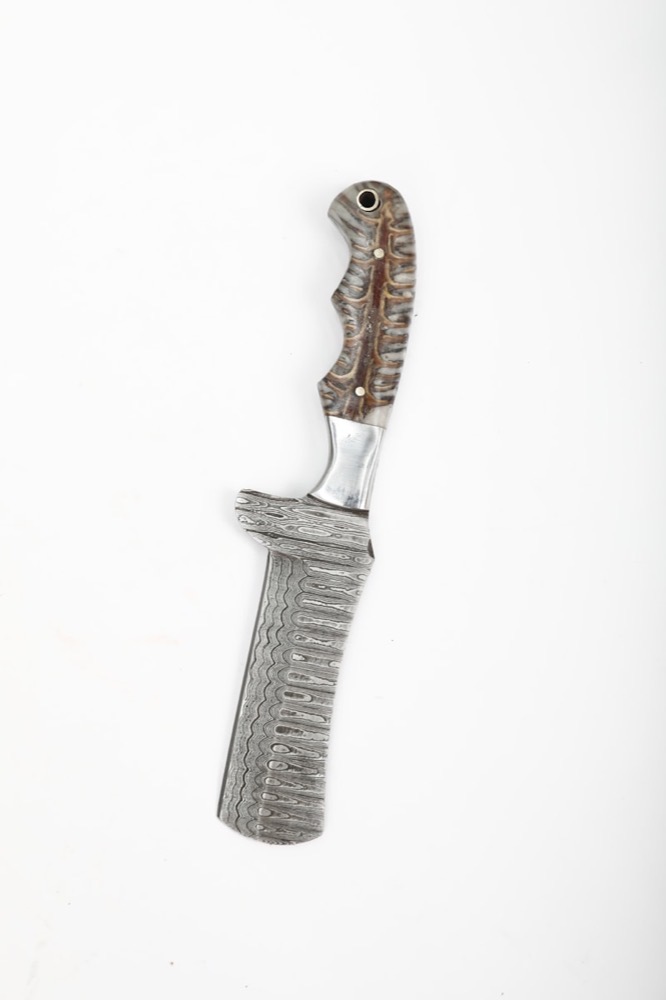
Carbon steel (Aogami blue paper, Shirogami white paper) is heated to 1100°C, folded, welded onto a jigane (soft steel) in two or three layers. The blade's geometry is set under the hammer.
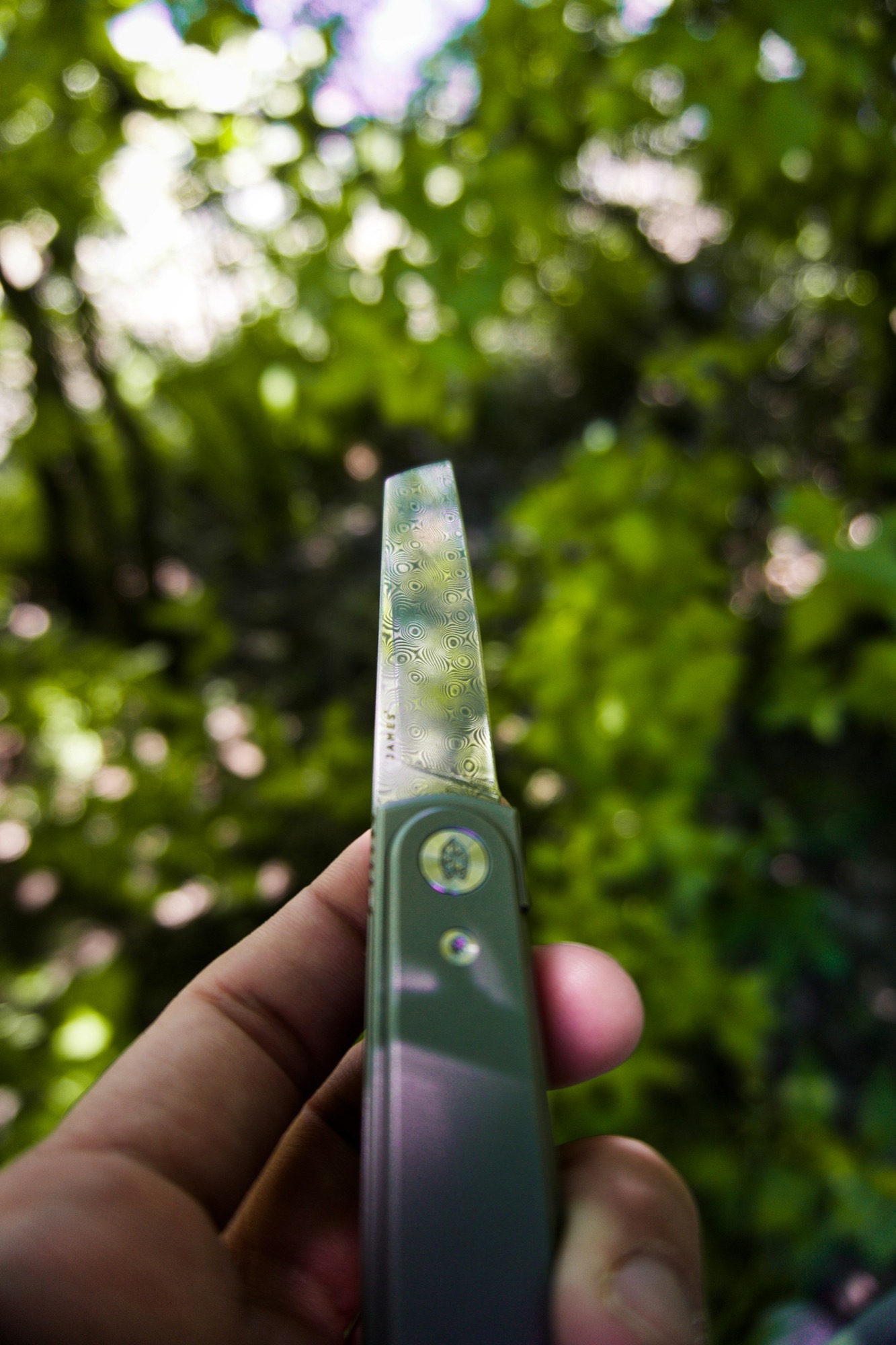
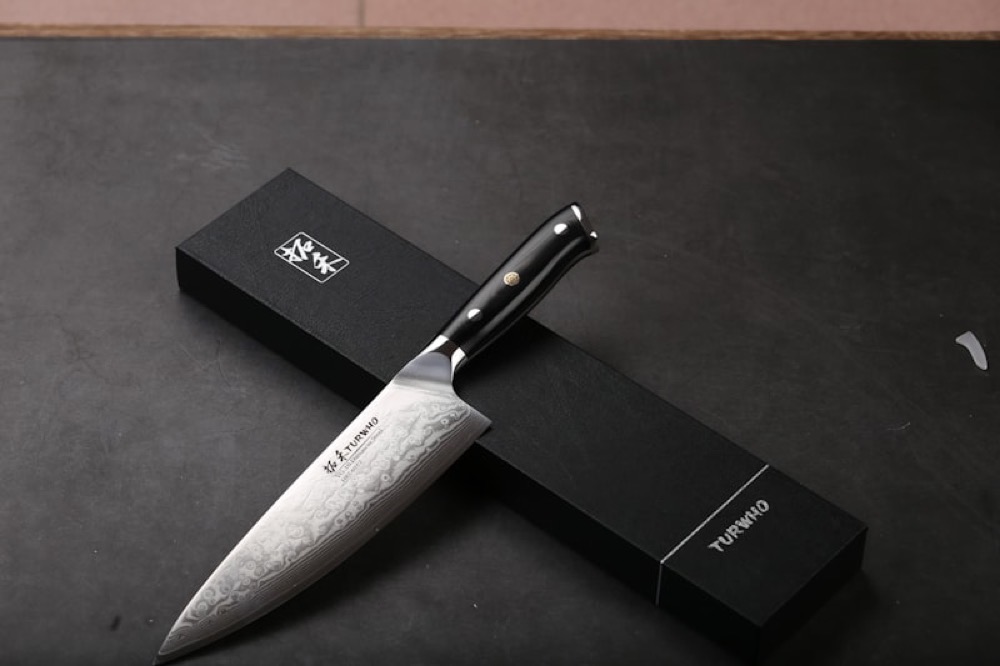
Aogami and Shirogami knives, traditional wa handles, Damascus blades hand-forged by third-generation smiths. Imported in small batches, sharpened for life in our Paris atelier.
From chef's blade to polishing stone: every piece in the Kashiku catalogue is chosen, imported and hand-sharpened before it leaves.
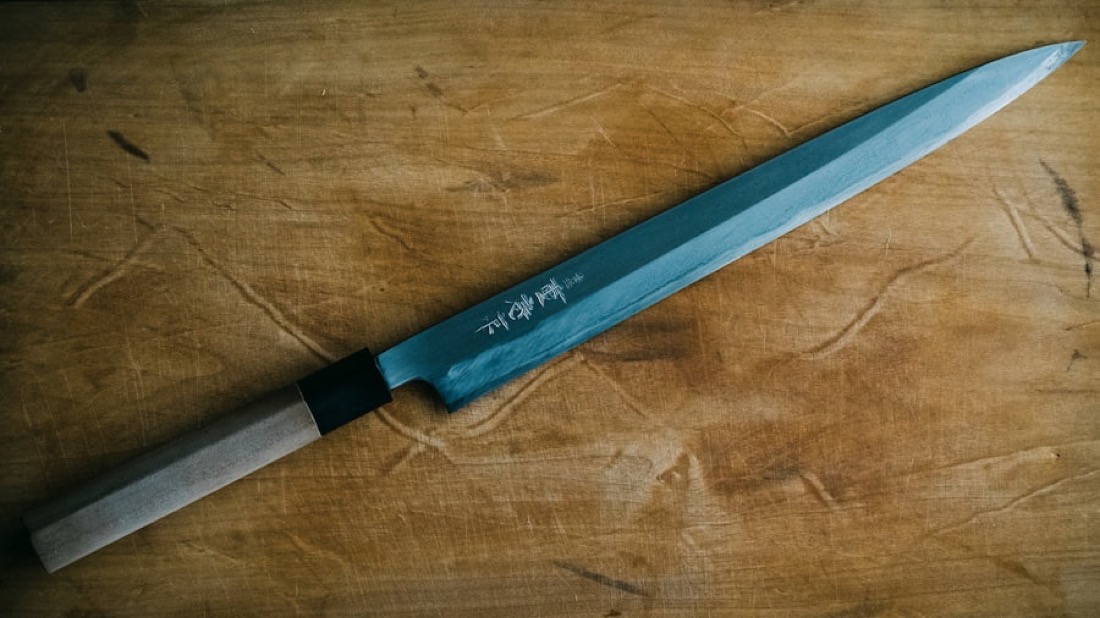
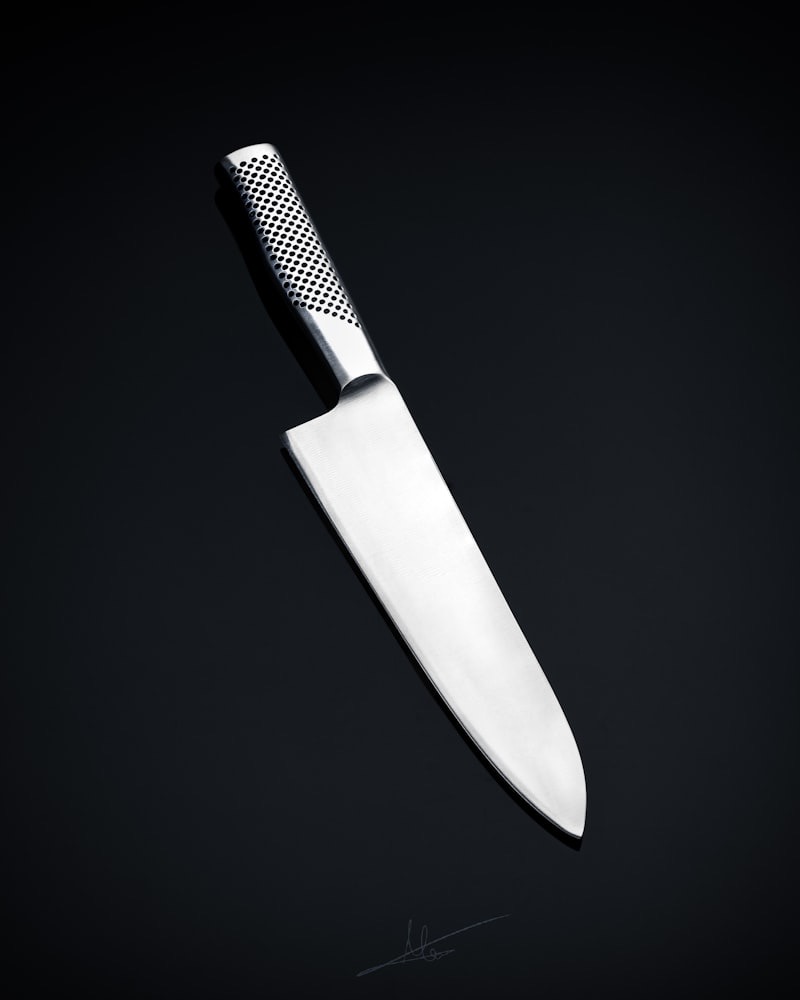
The Japanese chef's knife.
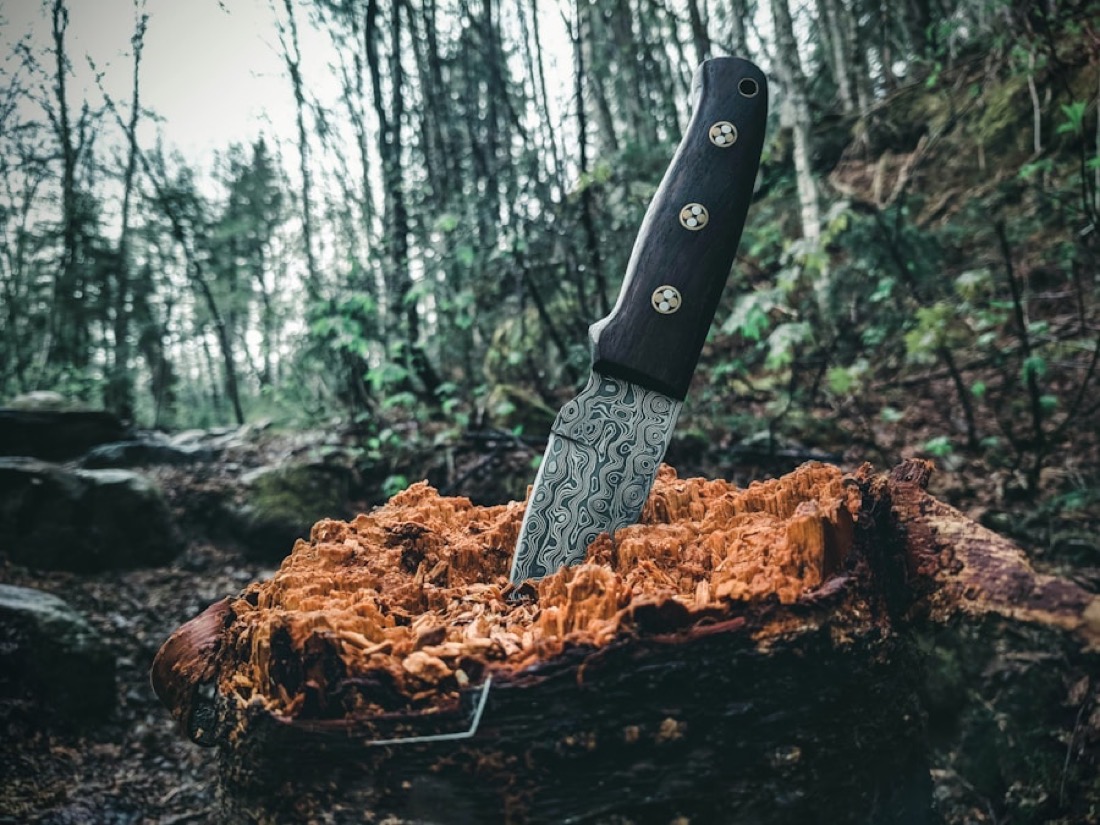
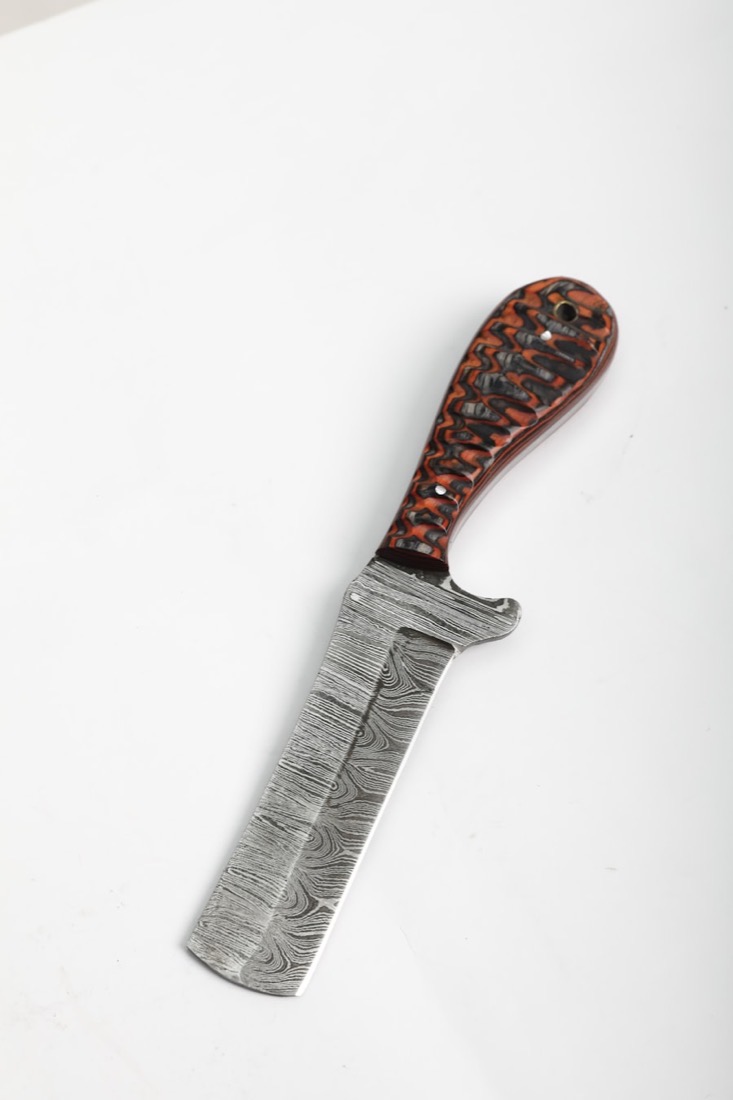
Short all-purpose knives, blade sixteen to eighteen centimetres.
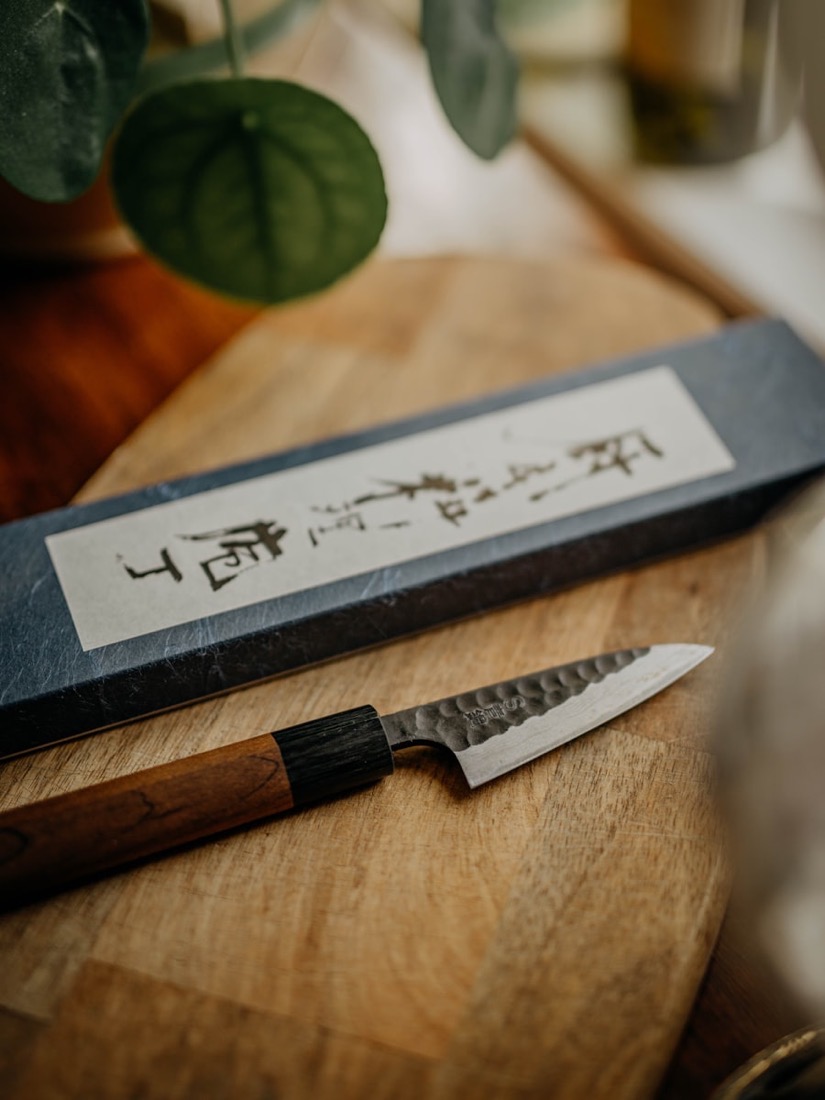
Small paring and utility knives, twelve to fifteen centimetres.
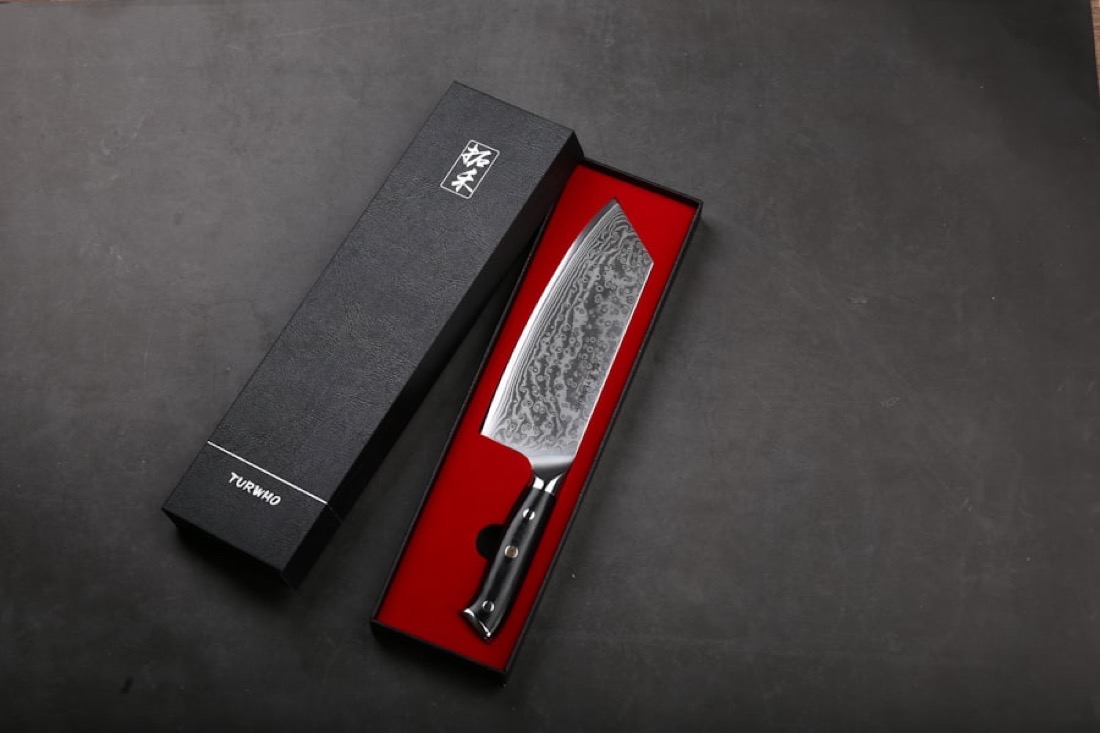
Yanagiba and sujihiki for raw fish, sashimi, filleting work.
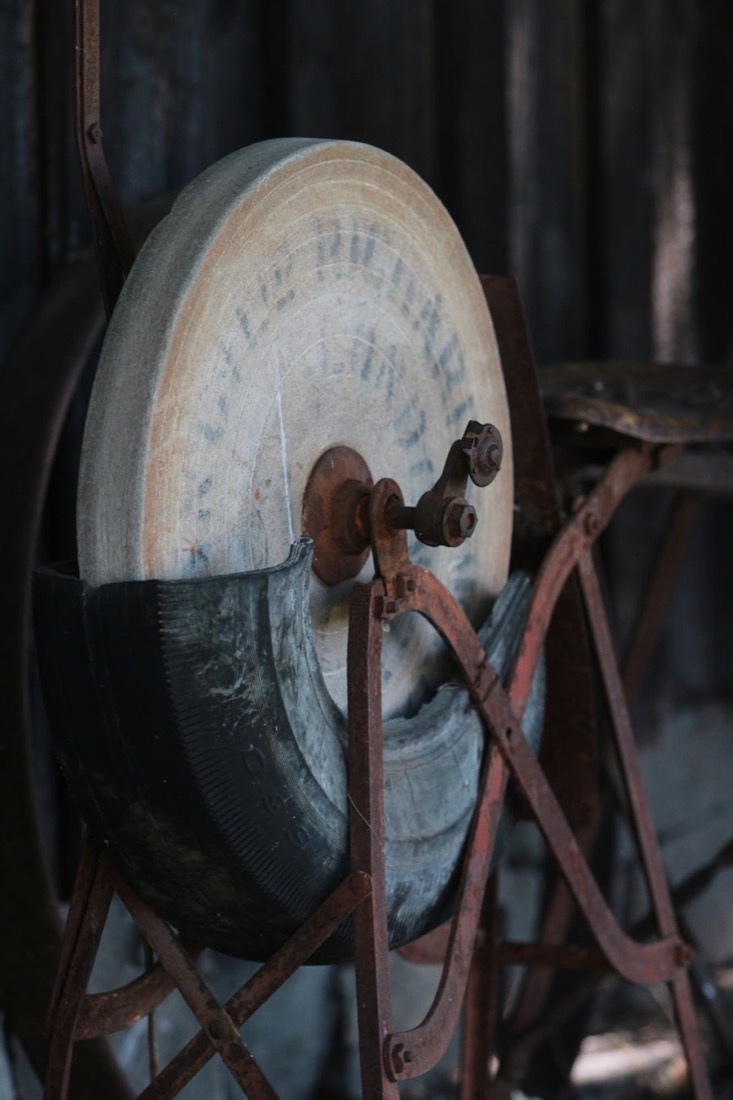
Japanese stones to maintain the edge: #1000 for repair, #3000-#5000 for sharpening, #8000+ for the final polish.
Magnolia saya, Kurashiki leather aprons, hinoki cutting boards, magnetic racks.
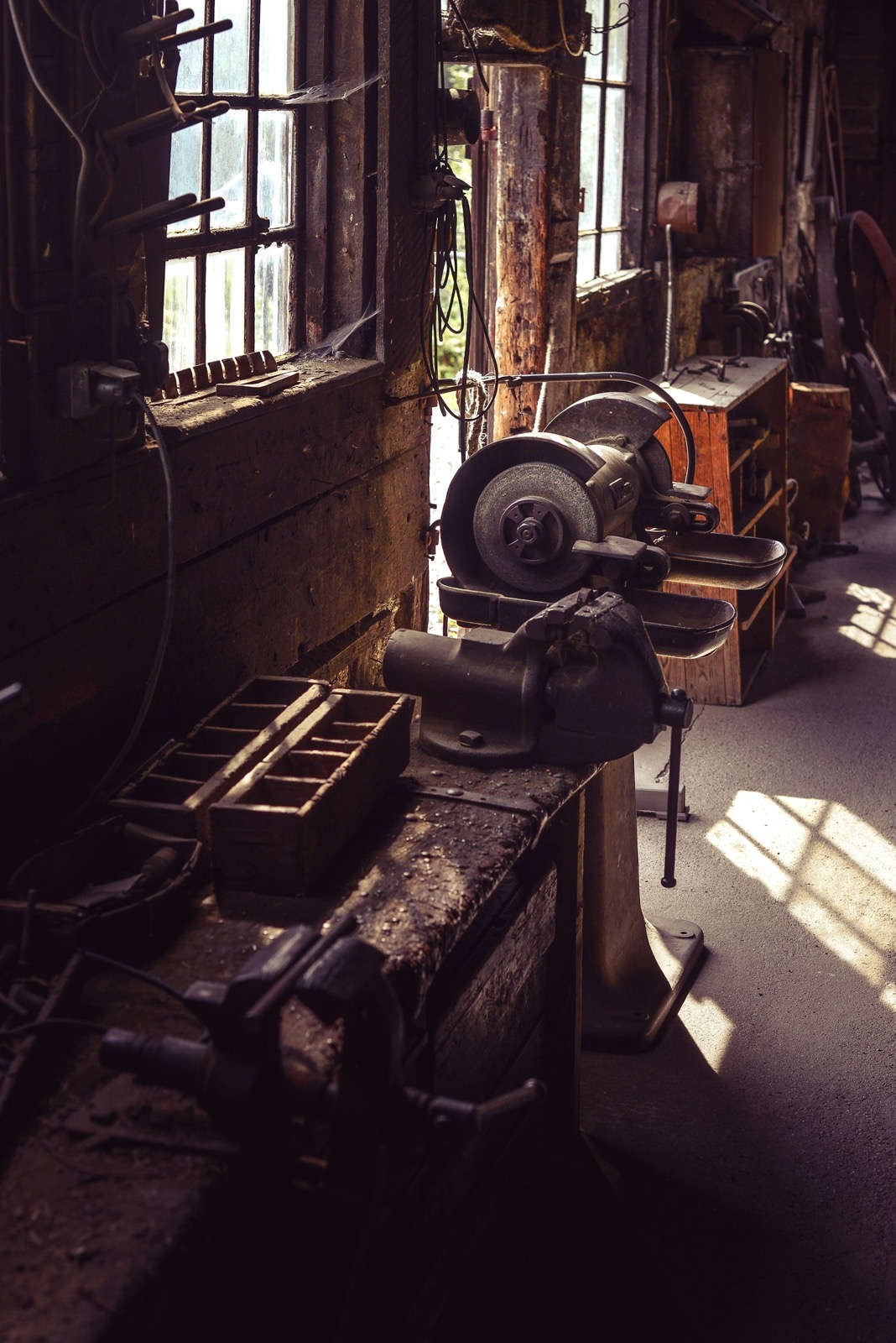
The Sakai-Echizen region has produced the world's finest kitchen steels since the sixteenth century. We work with seven family workshops — Tosuke, Yu Kurosaki, Tetsujin, Sukenari, Yoshida, Tanaka and Hatsukokoro. Every blade that reaches Paris has been forged, quenched, polished and sharpened by hand in Japan, then re-sharpened by Côme before it ships.
We import in batches of six to twelve pieces only. No back-stock. No reselling. When a reference sells out, it waits for the next consignment.
Four knives that cover ninety percent of a serious home cook's needs: a chef, an all-rounder, a paring, a slicer.
Carbon steel (Aogami blue paper, Shirogami white paper) is heated to 1100°C, folded, welded onto a jigane (soft steel) in two or three layers. The blade's geometry is set under the hammer.
Quenched in water or oil depending on the alloy, the blade reaches its final hardness (62 to 64 HRC). Then tempering, straightening, polishing on stone. This is the step that decides how long the edge holds.
Every knife is sharpened on four successive Japanese stones: #1000, #3000, #6000, #8000. The edge falls at 12-15° per side. So clean it slides through a tomato under its own weight.
« A Japanese knife is not hard, it is clean. And when it dulls, it is not the blade that gives way — it is the hand reminding you to sit down, take the stone, the water, the gesture. »
Côme Bertillon — Head sharpener, KashikuNew arrivals from Sakai, fresh Japanese stones, atelier accessories — the May rotation.
One letter a month. New forges, stone sharpening guides, portraits of Japanese masters, and early access to limited series.